

The Team
The core team of Knowing Neurons comprises a group of graduate students and postdoctoral scholars, who specialize in different areas of neuroscience. We discuss and edit all content on the site, write our own articles, and apply our diverse scientific interests and expertise to making Knowing Neurons an effective educational resource about all things brain!

Teel Walters, Chief Executive Officer
Teel Walters is a current Ph.D. candidate at the University of Alabama at Birmingham in the Department of Neurology, where she specializes in the neurodegenerative and neuropathological implications of environmental toxicant exposure, with special attention to Parkinson’s disease (PD) etiology. Teel enjoys spending time on the microscope or working on her coding to identify potential novel therapeutics for PD. Research aside, Teel is extremely passionate about science advocacy, accessibility, and bridging the gap between the lay audience and academic societies. She has been a part of Knowing Neurons since 2023, working to increase engagement and to amplify interorganizational collaboration, and working to form connections to various international and domestic science organizations. Outside of science, Teel enjoys playing her violin, going on hikes, engaging in fiber arts like needlepoint and crochet, and spending time with her cat, Purkinje.

Faustina Jayaprakash, Editor-in-Chief and Editing Team Lead
Faustina believes that the relationship between the brain’s biological structures and the mind is one of neuroscience’s most exciting mysteries. Building on her work on Alzheimer’s publications at Lilly, she now studies the neurocognitive mechanisms driving delusions in Parkinson’s psychosis and circuit-level differences in neurodevelopmental disorders at King’s College London. An advocate for open science and accessible research, she transforms complex data into stories that spark curiosity, fuel discovery, and inform policy. Outside the lab, she finds solace in wandering through parks and galleries, collecting trinkets, experimenting in the kitchen, and cheering McLaren to victory on Formula 1 weekends.
Illustration Team

Sneha Chaturvedi, Head of Illustration
Sneha Chaturvedi is a MD-PhD student at Washington University School in Medicine in St. Louis, Missouri. Her research focuses on sex differences in neurodevelopment, including work on autism spectrum condition. Sneha is also a part of the American Medical Women’s Association where she leads a team of volunteers to create content on sex and gender differences in various medical conditions. In her personal time, she enjoys painting murals, watching scary movies with friends, and taking her dogs to the dog park. For more about Sneha’s research and other interests, visit her profile.

Divi Bhaireddy, Content Illustrator
Divi is a high school student entering her Junior year. She always found an interest in science and art, and loves to find ways to bridge the two. In her free time, you can catch her reading, crafting, and spending lots of time outside with her friends.

Erika Brassel Orellana, Content Illustrator
Erika is constantly trying to learn and to be a better version of herself. She believes learning is the main pathway for everything, and everyone should have access to education and knowledge. Erika loves art, culture and diversity and, of course, all the brain can produce. She finds the brain fascinating and knows there is much more to learn in these infinite neuronal networks.

Michael Flores, Content Illustrator
Michael Flores is a Neuroscience PhD student at UCSF. He is interested in how innate variations within the nervous system influence the development of individualized behaviors. Using the vocal learning species, the songbird, as a model system, he plans to use electrophysiology and machine-learning based behavioral analysis to understand the neural basis of inter-individual differences in learning. Outside the lab, Michael enjoys going to the movies, skateboarding, and reading at coffee shops.

Natalia Hernandez-Velasco, Content Illustrator and Spanish Translator
Natalia earned her degree in Biology from the Faculty of Sciences at UNAM and a Master’s in Neurobiology from the same institution. She is currently a PhD candidate in Biomedical Sciences at UNAM. She also completed a diploma in Bioethics and is an active member of the Japanese Society for Neurochemistry. Her research focuses on developing innovative pharmacological treatments to improve the quality of life of people living with psychiatric disorders. Passionate about science communication and bioethics, Natalia is committed to making scientific knowledge accessible to a wide range of audiences. Beyond the lab, she enjoys illustration, photography, drawing, learning new languages, and playing different musical instruments... Always convinced that creativity enriches and strengthens scientific work.

Yang-Sun Hwang, Content Illustrator
Yang-Sun Hwang started her Neuroscience PhD program at UCSF in 2022. She was first driven into neuroscience by the question, ‘how do collections of cells give rise to unique individuals?’ During her undergraduate studies in microbiology, this question inspired her to start a master’s thesis in systems neuroscience at the Korea Advanced Institute of Science and Technology. There, she uncovered the role of the neuropeptide somatostatin in visual processing. In her Ph.D. program, she is interested in how environmental factors shape neural circuits, learning, and memory, which will eventually cast light on attenuating neuropsychiatric or neurodegenerative disorders. Outside the lab, she is a huge fan of video games, loves trying new places, foods, and outdoor activities, as well as running and drawing.

Gopal Khodve, Content Illustrator
Gopal Khodve is a PhD candidate in Pharmacology at the National Institute of Pharmaceutical Education and Research (NIPER) Kolkata (India), specializing in neuropharmacology. His research focuses on the gut-brain axis and cognition, aiming to uncover therapeutic innovations. Based in the Neuropharmacology Laboratory, Gopal combines scientific insight with creativity, producing educational infographics that simplify complex neuroscience. A nature enthusiast and science fiction fan, he’s inspired by both the natural world and the limitless potential of the human mind.

Jacquelyn Lichter, Content Illustrator
Jacquelyn Lichter is a research technician at Harvard Medical School. She received her BS in Biopsychology from UC Santa Barbara. Her current work focuses on cellular reprogramming as a therapeutic approach to age-related neurodegeneration. She is passionate about the intersection of art and science, using visual storytelling to make complex neuroscience topics accessible and engaging.

Judy Luu, Content Illustrator
Judy is a Neuroscience PhD student at the University of California San Francisco (UCSF) in Dr. Tomasz Nowakowski’s lab. She is interested in studying sex differences in the developing brain from an epigenomics perspective. More specifically, she hopes to characterize the genetic and epigenetic landscape of various X-linked genes and unravel their roles in autism and neurodevelopment as a whole. Before starting her PhD, she graduated with her B.S. in Psychology from UMass Amherst and worked in a technology development and genomics-focused lab at the Broad Institute of MIT and Harvard. In her free time, she loves to bullet journal, read, and explore the city with her friends.

Esha Mariam, Content Illustrator
Esha Mariam is an MSc Biotechnology graduate who loves turning science into stories through illustration. With a passion for blending art and research, she creates visuals that make complex ideas feel clear and engaging. When she’s not sketching neurons or painting botanical forms, you’ll likely find her curled up with a book, writing poems, or enjoying quiet moments with her cats.

Aishwaria Maxwell, Content Illustrator
Aishwaria Maxwell is currently pursuing an MSc at the University of Toronto, where she is researching the connection between sleep deprivation and dementia. Outside of her research, she loves reading, hiking, and doodling.

Johanna Mayer, Content Illustrator
Johanna Mayer is a PhD student at Karolinska Institutet in Stockholm, Sweden working on autophagy-mediated secretory mechanisms in Alzheimer’s disease. Her PhD project is part of the EU-funded Marie Skłodowska-Curie innovative training network SAND exploring secretion, autophagy, and the role in neurodegeneration. Johanna received her bachelor’s and master’s degree in Biochemistry from the University of Jena, Germany. Outside the lab she enjoys experimenting with sourdough and being outdoors on a hiking or camping trip.

Arabella Mew, Content Illustrator
Arabella is a Health Sciences student at Queen’s University in Canada. With a passion for learning accessibility, neuroscience, and art, she is grateful for the opportunity to merge these interests as a Knowing Neurons Illustrator.

Isabella Myers-Tasevoli, Content Illustrator
Siyo, (hello)! Bella is a researcher in the field of psychology and neuroscience, but she is also an illustrator! Science and art are two of her biggest passions, and illustration is one way she bridges them together. She is excited to be expanding science communication with the Knowing Neurons team!

Kaitlyn Niznik, Content Illustrator
Kaitlyn Niznik holds a Master of Fine Arts degree from Lesley University in Cambridge, Massachusetts as well as a BFA in Painting and BS in Visual Art Education from the State University of New York at New Paltz. She holds her NYS certification in Arts Education for grades K-12 and is currently in her 6th year as a middle and high school art teacher. Kaitlyn suffers from a chronic illness and uses her free time to dance, try out new recipes, and spread awareness for lesser-known diseases.

Aya Nusir, Content Illustrator
Aya is a Neuroscience Ph.D. student at George Mason University. She received her bachelor's degree in psychology and in biotechnology at Monash University. Currently, she is studying sex-specific differences in microglial inflammation and addiction using mass spectrometry-based proteomics, microscopy and neuroinformatics. Outside of the lab, she enjoys hanging out with her cats, painting, hiking, and photography (in that order).

Ava Piper, Content Illustrator
Ava Piper is a Behavioral Neuroscience PhD student at The University of Alabama at Birmingham. She earned her Bachelors of Science in Psychology at The University of Tampa. She studies the effects of diet and physical activity on mental health and cognition. Ava is also a science animator, creating original instructional videos for research participants.

Rishitha, Content Illustrator
Rishitha is an engineering graduate from an IIT with an interest in psychology and neuroscience, currently exploring things she enjoys and resonates with. She is happy to be here!

Nisrina Shafira Ayussita , Content Illustrator
Nisrina Shafira is an Indonesian high school student and content illustrator at Knowing Neurons. She is passionate about neuroscience, education, and creative storytelling, with a strong interest in making complex scientific concepts more accessible through visual communication.
She is also the founder of TeenTalks, a youth-led platform that shares educational and inspirational stories. Her previous work on how family connections influence students’ brain development, academic performance, and social well-being was recognized by Knowing Neurons. Through her work, Nisrina aims to bridge science and creativity while making a meaningful impact on young people.

Gowri Somasekhar, Content Illustrator and Partnership Management Team
Gowri Somasekhar is a neuroscientist interested in the brain mechanisms that underlie behavior. Her work focuses on comparative neuroscience, studying how animals use different sensory systems to explore their environments and how this information guides movement, social interaction, and communication. She enjoys working at the intersection of systems neuroscience, developmental and evolutionary biology, and computational neuroscience. Beyond research, she is committed to advancing science education, literacy, and communication, as well as promoting the use of science in policy.

Maria Vogel, Content Illustrator
Maria is a graduate student at the University of Pennsylvania, where she studies how neurons and astrocytes influence each other in regulating degradative pathways. She is passionate about the intersection of art and science, in particular how artistic and creative expression can enhance science communication and education. In her free time, she likes to doodle surreal cell biology inspired art, plays video games, and sitting on her porch sipping tea.

Newton PenkoffLidbeck, Content Illustrator
Newton PenkoffLidbeck is a research technician at Harvard Medical School in the lab of Dr. Wolfram Goessling, studying the impact of macrophages on liver and gut disease and development in zebrafish. They received their BA in Neuroscience from Smith College in 2022, where they completed a thesis with high honors in Sonic Hedgehog signaling, commissure formation, and Neural Crest Cell migration in the brain. They continue to be interested in brain development. Outside of the lab, you can find them knitting, drawing, baking, and spending time with their dog, Goose.
Multilingual Outreach and Translation Team

Natalia E. Padillo-Anthemides, Spanish Team Lead, Multilingual Outreach and Translation Co-Lead
Natalia is a PhD candidate in genetics and genomics at the University of Florida. Her thesis focuses on the genomics of neurons in ctenophores to better understand the evolution of animal nervous systems. Transitioning from a background in marine biology, she has long been interested in uniting scientific disciplines and communicating them to the public as clearly as possible. She joined the Multilingual Outreach and Translation team to make fascinating neuroscience topics more accessible to a wider audience. In her free time, she enjoys surfing and Greek dancing.

Sana Albaghdadi, Arabic Translation Team
Reem studied BSc Neuroscience and MSc Neuroimaging at Cardiff University. She is interested in making complex brain science fun and accessible to a global audience. When she is not working, she is reading, crafting, and playing board games.

Ali Alhaj , Multilingual Outreach and Translation Team
I am a young medical professional interested in medical research and promoting Arabic public health literacy.
Reem Al Khaldi, Multilingual Outreach and Translation Team
Reem studied BSc Neuroscience and MSc Neuroimaging at Cardiff University. She is interested in making complex brain science fun and accessible to a global audience. When she is not working, she is reading, crafting, and playing board games.

Wasan Al Mazrooei, Multilingual Outreach and Translation Team
Hi there, this is Wasan, hopefully a future neurosurgeon in the making! I’m genuinely fascinated by the brain and everything it shapes; how we think, feel, behave, and experience the world. The more I learn, the more curious I become. Right now, I’m studying medicine at RCSI, and I’ve been diving into neuroscience through research projects on things like brain tumors, epilepsy, and movement disorders. It’s challenging, but that’s exactly what excites me. I’m still at the beginning of this journey, but I’m genuinely excited about where it’s heading. There’s so much to discover, and I can’t wait to be part of it.

Fatima Al-Rashid, Multilingual Outreach and Translation Team
Fatima Al-Rashid is a Qatari high-school student passionate about exploring how neuroscience and biology shape the way we think, feel, and experience the world. Her interests focus on neurodevelopment, memory, and neurodegenerative diseases, and she is dedicated to applying scientific knowledge to meaningful challenges. She is advancing Naraa, a public health initiative, and The Curiosity Spot, a global youth platform empowering mental health and neuroscience awareness. At Knowing Neurons, she serves as an Arabic translator for the Multilingual Outreach and Translation team. She combines research, public health, and outreach to make neuroscience accessible and actionable.

Greta Sandow, Co-Lead
Greta studies cognitive neuroscience at Leiden University in the Netherlands, specifically how computational models can be used to understand human perception. In her free time, she loves to get creative, spend time with friends, and climb plastic rocks.

Irene Arancio, Italian Translation Team
Irene recently completed a Master by Research (MScR) in Integrative Neuroscience at the University of Edinburgh. During her degree, she conducted research using electronic health records to investigate antidepressant use patterns in individuals with severe mental illness, focusing on clinical outcomes such as mortality and re-hospitalization risk. She is also interested in how sex differences shape these outcomes and her work explored the ways treatment patterns and health trajectories may differ between men and women. Outside of academia, Irene is an avid reader and enjoys the craft of bookbinding, often creating or restoring books in her free time.

Juan Arboleda, Producer and Co-Host of the Spanish Podcast Team Neurocharlas
Juan is a PhD candidate in Genetics & Genomics at the University of Florida’s Center for NeuroGenetics. His research focuses on understanding the molecular mechanisms underlying central nervous system symptoms in myotonic dystrophy type 1 (DM1), utilizing mouse models. Juan is particularly interested in dissecting the causes of sleep dysregulation and increased sensitivity to anesthesia, which significantly impact patient quality of life. Beyond the lab, he serves as a Public Health Resource Development intern with the Myotonic Dystrophy Foundation, where he helps develop accessible, research-based resources for patients and their families. Juan is passionate about bridging the gap between bench.-side research and the communities it affects, striving to make science more accessible to all.

Gabriel Rojas Bowe, Outreach and Translation Team
Gabriel Rojas Bowe is a Ph.D. candidate in UCLA’s Neuroscience Interdepartmental Program. His research focuses on how your visual perception is impacted by self-generated movements. Before graduate school, he was a Cell and Molecular Biology major at the University of Puerto Rico Río Piedras. At UCLA, Gabriel has focused on furthering existing outreach efforts by coordinating UCLA’s Brain Awareness Week (2023 and 2024) and working on the Knowing Neurons Translation Project. Outside of science, Gabriel enjoys cooking, taking care of his plants, and watching movies. Recently, he has been trying to learn how to snowboard, though not very successfully.

Christina Bruckmann, German Translation Team
Christina received her Master's degree in Brain and Cognitive Sciences from the University of Amstedam, and is currently pursuing a PhD at the Max Planck Institute for Biological Cybernetics in Tübingen, Germany. She is absolutely fascinated with consciousness, and during her PhD she focusses how guiding attention in time shapes our conscious perception.

Ariana Burga, Outreach and Translation Team
Ariana is a PhD student in Neuroscience and Developmental Psychology at the University of Florida. Her research investigates how early life adversity impacts neurobiology and physiology, with a particular focus on how these experiences may predispose individuals to neurological and physiological conditions later in life. She specializes in biomarker research, including epigenetics and biological embedding approaches.

Melis Cakar, Turkish Translator
Melis Cakar is currently pursuing a PhD in Neuroscience at UCLA. She received her BA in Neuroscience, with a minor in French, from Pomona College. Her research focuses on the neurobiological mechanisms that underlie sensory over-responsivity in youth with autism spectrum disorder (ASD). Melis is interested in bridging ASD research in humans and animal models to provide insight into the etiology of the disorder. Outside of research, Melis spends her time singing, trying out new recipes and reading.
Jude Cediel, Lesson Plan Coordinator, Spanish Translation Project
Jude is a psychologist and a second-year Ph.D. student in Psychology, specializing in Behavioral and Cognitive Neuroscience at the University of Florida. Her current research focuses on analyzing EEG signals, particularly oscillatory dynamics associated with emotion regulation and learning, especially in aversive conditioning tasks. Additionally, she integrates data from functional magnetic resonance imaging (fMRI) to complement her findings. Her academic and professional background combines cognitive neuroscience, clinical research, and university teaching. She holds a master's degree in Social Neuroscience and a specialization in Higher Education. Jude has worked with older adults with neurodegenerative diseases as well as with psychiatric populations, integrating behavioral and neurophysiological methods. In her free time, she enjoys practicing capoeira and going on long walks with her dogs.

Catherine Chen / Qing Chen, Outreach and Translation Team
Catherine is a master’s student in the Erasmus Mundus International Master’s Program in Ageing Biology (imAGEin), studying at the University of Cologne in Germany and Université Côte d’Azur in France. Her interests lie in regeneration and neuroscience, particularly in understanding how nervous systems change after regeneration. She received her bachelor’s degree from National Tsing Hua University (NTHU) in Taiwan, where she majored in Life Science and double majored in Technology Art. Her favourite animals are all cephalopods!

Linda Cui, Multilingual Outreach and Translation Team
Linda is a third-year biology undergraduate at the University of Florida, with a minor in philosophy. She is an undergraduate research assistant in Dr. Maryam Rahman’s translational neurosurgical oncology laboratory, where her work focuses on combinatorial therapies integrating surgery and high-throughput screening–selected chemotherapeutics for malignant brain tumors. In her free time, she enjoys ice skating, listening to music, and exploring cafés.

Abdel-Aziz Farrag, Outreach and Translation Team
Abdel-Aziz is a Grade 11 STEM student interested in computational neuroscience and cerebrospinal fluid dynamics. He is developing a computational model of neural systems while mentoring students, designing academic competitions, and leading sustainability initiatives. In his free time, he writes short stories exploring complex, thought-provoking themes.

Luca Lattanzi, Multilingual Outreach and Translation Team
Luca ha conseguito una laurea magistrale in Scienze Cognitive presso l’Università degli Studi di Trento e, in precedenza, una laurea triennale in Filosofia presso l’Università Vita-Salute San Raffaele. I suoi interessi di ricerca riguardano principalmente lo studio neuroscientifico e psicologico delle esperienze coscienti, inclusi gli stati alterati e patologici della coscienza. È inoltre interessato a integrare la ricerca empirica con la riflessione filosofica, in particolare per quanto concerne le questioni epistemologiche e le implicazioni etiche degli studi sulla coscienza in esseri umani, animali e sistemi artificiali. Accanto all’obiettivo di intraprendere una carriera accademica in questo ambito, coltiva una forte passione per la divulgazione scientifica e filosofica, con l’intento di rendere accessibili temi complessi e attuali a un pubblico il più ampio possibile.

Brenda Leyva Garcia, Producer and Co-Host of the Spanish Podcast Team Neurocharlas
Brenda Leyva Garcia received her Bachelor’s degree in Neuroscience and Chemistry from Smith College. She also worked as a Research Associate at the Broad Institute of MIT and Harvard, where she participated in the discovery of enhancer sequences to target and manipulate GABAergic neurons in the cerebral cortex using viral vectors. She is currently a PhD student in Neuroscience at New York University (NYU), where she hopes to understand neuronal diversity, how it arises during development, and what genetic mechanisms may play a role in understanding neurological disorders. Outside the lab, Brenda enjoys reading, drawing, teaching, and running.

Elisa Hernandez, Lead Spanish Translator
Elisa graduated from the University of California Los Angeles (UCLA) in 2024 with a Bachelor of Science in Biology and a Spanish Minor. She is passionate about medicine, science and learning. She currently works at a non-profit clinic as a Certified Phlebotomy Technician and studies part-time at her local community college while she prepares to apply for PA school. She is most grateful for the opportunity Knowing Neurons has given her to combine both her passions; Spanish and Science as she contributes to the Outreach and Translation Project translating articles.

Carrie Lee, Italian Translation Team
Carrie is a master’s student in Biomedical Neuroscience at the University of Florida and is currently conducting research in Dr. John Williamson’s laboratory. Her work focuses on how creative therapies, such as music and art, influence brain function and overall health. Outside of her academic pursuits, Carrie is a proud veteran and mother of two, drawing inspiration from both her research and her family experiences.

Arianna Magliocca , Multilingual Outreach and Translation Team
Arianna is a graduate neurobiologist with a background in Biotechnology. She earned her Master’s degree at La Sapienza University of Rome, studying how perinatal stress affects genetic models of autism. She is deeply passionate about psychology and science communication. In her free time, she loves writing, reading, and especially petting her cats.

Ana Gonzalez Manteiga, Spanish Translator, Editor
Since she was a child, Ana has been passionate about understanding how the brain functions. She obtained her Master's degree in Neuroscience from the Universidad Autónoma of Madrid (Spain) in 2019. To delve deeper into the fields of research and academia, she earned her PhD in Biotechnology from the Universitat Politècnica de València in 2023, focusing her studies on neuronal plasticity upon brain damage. She is currently a postdoctoral fellow in the Department of Radiation Oncology at the University of Cincinnati, where she applies her neuroscience expertise to neuro-oncology. Additionally, she is passionate about sharing scientific knowledge and curiosity with a general audience because she believes it is the responsibility of the scientific community to make science accessible to everyone, regardless of their cultural, geographical, or socioeconomic background.

Sara Mohammed, Translation Team
Sara Mohammed is a multilingual science communicator and translator with the Arabic translation team at Knowing Neurons. Specializing in neuroscience, she bridges the language gap by adapting complex English research into accessible Arabic content. Beyond translation, she is a dedicated advocate for neurodiversity, volunteering with various initiatives to simplify brain science for her community and empower others through knowledge.

Anis Nefzi, Italian Translation Team
Anis is a 20-year-old medical student at the University of Bologna. In addition to his strong interest in medicine, he has a deep passion for neuroscience and scientific research. He further explores these fields by studying medicine in English and translating articles for the Knowing Neurons website. By doing so, he aims both to fulfill his own curiosity and to raise awareness of the diverse and fascinating topics in neuroscience.

Maria Paula, Translator
Maria Paula is a physician from Colombia. She is currently working at Cedars-Sinai in the Neurovascular Gonzalez lab, where they do research on stroke.

Alba Peris-Yagüe, Outreach and Translation Team
Alba is a PhD student at Universidad Politécnica de Madrid / Universidad Autónoma de Madrid. She researches how salience, such as emotion, influences human episodic memory as well as how gist and detail modulate it. In order to do so, she uses several techniques such as behavioral testing and intracranial electrophysiology and is planning on expanding her work to functional magnetic resonance imaging. Previous to her PhD, Alba obtained her MSc in Neuroscience at King's College London where she investigated the effects of antipsychotics on GABA-A receptors as well as she worked on the characterization of a neuroinflammatory protein in preclinical models of neuroinflammation. When she is not doing science, Alba loves to read books, go for long walks while listening to music and going out with friends. If you're interested in Alba's work, visit her full profile here.

Diana Rejon, Translator
Diana Rejon is an undergraduate student at UCLA majoring in Microbiology, Immunology, and Molecular Genetics. She is passionate about public health and plans to utilize her bilingual skills as a future oncologist to advocate for accessible care in underserved communities. Her background as a first-generation student has motivated her to continue pursuing higher education and embracing her cultural roots.

Johanna Rösch, German Translator
Johanna is pursuing her PhD at the Hertie Institute for Clinical Brain Research in Tübingen, where she investigates therapeutic stimulation approaches for stroke patients. Her research integrates electroencephalography (EEG) metrics with transcranial magnetic stimulation (TMS) to explore innovative treatment methods. She holds a Bachelor's degree in Psychology from the University of Göttingen and a Master's degree in Neurocognitive Psychology from the University of Oldenburg. During her academic journey, she also gained international experience, spending time in Canada, Denmark, and Norway. Outside of her scientific work, Johanna enjoys outdoor activities, particularly climbing, and baking.

Merve Sarıhan, Translation Team
Merve Sarıhan is an undergraduate student in Molecular Biology and Genetics at Üsküdar University in Istanbul. She is particularly interested in the role of sleep and circadian rhythms in biological systems and disease processes. With an interdisciplinary mindset, she aims to specialize in Neuroscience, Human Genetics, and Bioinformatics, focusing on understanding biological timing mechanisms through multi-omics approaches. Beyond academics, Merve enjoys storytelling and playwriting, watching theatre, dancing, and birdwatching.

Sara Sayed, Translation Team
Sara Sayed is a medical student and research enthusiast with a strong focus on neuro-oncology, surgery, and psychiatry. Beyond her clinical studies, she is an active volunteer, serving as a research coordinator, a contributing author for medical publications, and an Arabic translator. She is dedicated to making neuroscience and healthcare knowledge more accessible to a global audience through her writing and translation work

Rebecca Uzzi, Italian Translation Team
Rebecca earned her master’s degree in Neurobiology from the University of Rome La Sapienza. She is now a PhD student in System Neuroscience in Heidelberg, focusing on the role of object cells in the medial entorhinal cortex and their contribution to spatial memory and navigation. In her free time, Rebecca enjoys discovering new places and attending theater performances.
Diana Vargas, Spanish Website Team Lead
Diana Vargas will graduate with a BS in Biomanufacturing and continue on to graduate studies in Fall 2026, focusing on Biomedical Sciences. Diana has experience with website technologies, AI, and user behavior, and how these components interconnect with life sciences. She is looking to find ways to connect Spanish-speaking communities with topics in neuroscience and related disorders. In her spare time, she enjoys reading and spending time with family.

Larissa Weyler, German Translator
Larissa is a research master's student in cognitive neuroscience at Leiden University, Netherlands. She is particularly interested in neuromodulatory and connective patterns underlying cognitive and affective processes, data analysis, and science communication. In her free time, she enjoys crocheting, different types of sports, and getting lost in a good book.

Enoch Wong, Translation Team
Enoch is interested in examining the role of sleep in the association between cognitive processes and psychiatric disorders. He earned his Bachelor of Science in Cognitive Psychology at Peking University and his Master of Philosophy in Psychology at the University of Hong Kong. Currently, he is investigating how delayed circadian rhythms influence affective processes and increase the risk of psychiatric disorders, such as depression and PTSD, in young adults. In his leisure time, he enjoys playing basketball and having coffee with friends.

Lisa-Sophie Wüstner, German Translator
After her masters in Neurobiology, Lisa pursued a PhD in Molecular and Cellular Neuroscience at the NMI at the University of Tübingen, Germany. Currently in her third year, she investigates potential mechanisms responsible for synaptic changes in neurons which occur in stress-related diseases such as depression, anxiety, or PTSD. She loves communicating science and arising awareness to mental health & disease by explaining the underlying physiology to make the topic more graspable. Other than that, she’s in love with cats and plants and every now and then you can find her singing in the streets.

Jasmine Zendejas, Project Manager of the Spanish Translation Project
Jasmine is a recent grad from the University of California, Los Angeles with a B.S in Psychobiology and a B.A in Spanish and Community and Culture. Being on the pre-medical track, Jasmine hopes to become a physician to combat existing health disparities and inequities among Latino communities, serving the community across Los Angeles. Throughout her undergraduate career, Jasmine served as a board member for Flying Samaritans at UCLA, traveling once a month to Tijuana, Mexico to help provide free clinic and dental services to the community. Jasmine also served as the chair for the Latinx Admit Weekend at UCLA, helping Latinx students succeed in higher education. Jasmine enjoys running, traveling, and playing the ukulele.
Editing Team

Dhruv Mehrotra, Editor-in-Chief
Dhruv is a PhD candidate at McGill University in Montreal, Canada. He uses computational tools to investigate brain dynamics in rodent electrophysiological data during sleep. His area of focus is the brain’s compass, also known as the head-direction system. He is passionate about mentorship and making science more accessible to the public. Outside work, he enjoys swimming, volleyball, and cooking.

Paige Nicklas, Senior Editor
Paige is a PhD student at the University of Rochester School of Medicine and Dentistry, studying neuroscience. She has a BS in Psychology and an MS in Neuroscience, and is interested in researching the blend of these two disciplines. Her current research investigates cognitive-motor interactions in typically and neurodivergently developing children and young adults, exploring the impact of movement on cognitive performance in early life. Outside of the lab, she is passionate about expanding science education and communication for all, and encouraging public engagement with science. In her free time, she enjoys reading, drawing, and caring for her many houseplants.

Vidya Saravanapandian, Senior Editor
Vidya Saravanapandian graduated with a Ph.D. in Neuroscience from UCLA and an M.S in Biotechnology from Birla Institute of Technology and Science, Pilani, India. She is currently a postdoctoral research fellow in the laboratory of Dr. Peyman Golshani at UCLA. Vidya is passionate about studying brain development and exploring ways to understand and treat neurodevelopmental disorders (NDDs). Her research investigates changes in sleep physiology in NDDs and how these changes may contribute to poor cognitive and developmental outcomes, and bridges clinical research and research in animal models to understand NDDs. Outside of research, Vidya serves as a neuroscience outreach coordinator and has been closely working with the LAUSD schools to bring neuroscience education and awareness to K-12 children in low-income/low-opportunity communities around the Los Angeles neighborhoods. In her free time, Vidya loves baking and exploring new hiking trails.

Alejandro Albarrán Vilches, Contributing Editor
Alejandro is passionate about neuroscience and science communication. After completing his BSc in Biochemistry, he pursued a Master’s in Neuroscience at the Universidad Autónoma de Madrid (UAM). His research has previously explored how astrocytes contribute to neuroinflammation in Alzheimer’s disease, and he is now investigating the molecular mechanisms by which metastatic melanoma cells remodel the brain microenvironment to escape immunotherapy, focusing on their crosstalk with microglia. Alongside research, Alejandro has worked at a scientific communication agency and at the Spanish Parliament’s Science and Technology Office, where he participated on a report on social media and youth mental health. He hopes to continue bridging the gap between science, policy, and the public. Outside the lab, you can find him reading, traveling, or enjoying good food at new restaurants. See his full profile here: linkedin.com/in/alejandro-albarrán-vilches

Sumyuktha Anand, Contributing Editor
Sumyuktha holds a Ph.D. in Molecular and Cellular Biology from Dartmouth College and a B.S. in Neuroscience from the University of Minnesota. Her doctoral work was a cross-departmental study that applied electrophysiology—traditionally used in neuroscience—to cancer and glial cells for the first time. She has also researched the neuroscience of drug addiction through the human reward system. Beyond the lab, Sumyuktha has explored the business side of science, but ultimately discovered that her true passion lies in science education, awareness, and accessibility. Outside of science, she enjoys reading, exploring art and architecture, and uncovering vintage gems.

Carolyn Amir, Contributing Editor
Carolyn Amir is a Neuroscience PhD student at UCLA in Dr. Carrie Bearden's lab. Her current research focuses on using neuroimaging and genetics approaches to study the human brain and behavior in psychiatric and developmental disorders. Before coming to UCLA, Carolyn worked at the National Institutes of Health where she studied human pain, medication use and expectancy. She holds a Bachelor's degree from Boston University in Psychological and Brain Sciences, where she used EEG and brain stimulation to examine the effects of neuromodulation in both healthy and patient populations. When she's not in the lab, Carolyn enjoys camping, hiking, and spending time at the beach. To read more about Carolyn's research and contact visit her website.

Gláucia Batista de Barros, Contributing Editor
Gláucia Batista holds a Bachelor's degree in Public Health from the Federal University of Rio de Janeiro (UFRJ) and is a Master's student in Neuroscience at the Fluminense Federal University (UFF), where she studies the prevalence of hearing loss in middle-aged and older adults to understand its role as a risk factor for dementia. She has participated in several research projects, some involving laboratory or epidemiological work, and others in which she received scholarships (PIBIC, CNPq and COPPETEC). In her specialization in Applied Neurosciences with focus on Rehabilitation (UFRJ), where she received a full scholarship, she studies Fetal Alcohol Spectrum Disorder (FASD). In her specialization in Drugs, Society, and Educational Practices (State University of Rio de Janeiro – UERJ), she explores sociocultural and educational aspects of alcohol consumption. Beyond science, she is passionate about learning foreign languages, gardening, and, most of all, writing gothic poetry and long-form fiction in the thriller and horror genres.

Jeltje Broekhof, Contributing Editor
Jeltje recently completed a research master’s degree in Cognitive Neuroscience at Leiden University. She currently works as a research assistant on Huntington’s Disease research at the Leiden University Medical Center. She enjoys writing and editing and is motivated to translate complex neuroscientific theories and findings into clear, engaging, and accessible articles. In her free time, Jeltje is an avid reader and enjoys creative writing.

Mary Bullock, Contributing Editor
Mary Bullock is a Graduate Student in the Departments of Neurology and Psychology at the University of Alabama at Birmingham (UAB). She uses a range of techniques including mRNA hybridization, EEG, and behavioral machine learning programs to study circadian influences on Alzheimer’s Disease. Mary’s scientific pursuits outside the lab are to make useful connections between classical arts and academic sciences. She is a contributor and volunteer at the Brain Awareness Week celebrations in Birmingham, Alabama. In her spare time, Mary is a pianist, gardener, and painter.

Liza Chartampila, Contributing Editor
Liza Chartampila is a PhD student in the Neuroscience program at the University of North Carolina at Chapel Hill. Her current research focuses on understanding the role of sleep in development and neurodevelopmental disorders like autism and schizophrenia. Before beginning her doctoral studies at UNC, Liza completed her B.S. in neuroscience at Washington and Lee University and worked as a research assistant at New York University. Outside of research, she enjoys painting, hiking, reading, listening to podcasts, and playing sports (especially volleyball).

Amruta Epari, Contributing Editor
Amruta Epari is a Neuroscience and Behavioral Biology student at Emory University. She is interested in understanding how patients experience illness and how research can be translated into more effective, patient-centered care. She has conducted research in cancer symptom science and pediatric hematopoietic cell transplantation, contributing to projects on patient–caregiver experiences, stress, and emerging diagnostic technologies. In addition to her research, Amruta is involved in advocacy and community-based initiatives focused on health education, gender equity, and improving access to care. She also serves as Co-Editor-in-Chief of Hybrid Vigor: Interdisciplinary Science Magazine, where she works with writers to communicate complex scientific ideas to broad audiences. Through her work with Knowing Neurons, she hopes to further develop science communication that is engaging and accessible. In her free time, she enjoys reading and spending time in nature.

Jade Fachin, Contributing Editor and Fundraising Team
Jade is a Molecular, Cellular, & Integrative Physiology PhD student in the lab of Lydia Daboussi at UCLA. Her research focuses on changes in synapses and axonal architecture of sensory neurons in the context of peripheral neuropathies. She is incredibly passionate about science accessibility, communication, and outreach. Outside of science, Jade enjoys climbing, running, yoga, drawing, and hanging out with her cat Jiji!

Hinal Fofandi, Contributing Editor
Hinal Fofandi is a gap year student from India and incoming undergraduate in Biomedical Science, with academic interests spanning neuroscience, pharmacology, marine biology, and the intersection of between science communication, policy and ethics.
What draws her to science communication is the belief that neuroscience shouldn’t remain confined to academic journals. She’s interested in translating research into accessible narratives that connect to real-world design. Through independent research writing, and projects she’s developed an appreciation for rigorous, audience-centered communication. At Knowing Neurons, Hinal hopes to grow as an communicator and a critical thinker. Learning how meaningfully to make neuroscience understandable, while contributing to editor team that values, accuracy, collaboration and public impact in neuroscience.

Chris Gabriel, Contributing Editor
Chris is a doctoral candidate in neuroscience at UCLA and previously received a BS in Human Biology and a BA in Psychology from North Carolina State University. He is interested in understanding prefrontal control of defensive behaviors and links to fear- and anxiety-related disease. Chris combines UCLA Miniscopes and advanced computational techniques to link neural activity directly to behavior. Outside the lab, Chris enjoys camping, rock climbing, playing music, and traveling as often as possible.

Lorelia Gribincea, Contributing Editor
Lorelia Gribincea is a 17 year old teenager from Republic of Moldova that delights in the wonder of reality and turns it into the beauty of science through the science communication and research that she is passionately involved at the moment. She is a participant in the Stanford Neuroscience Journal Club, and she is the 2nd place winner of Romanian Brain Bee. She has submitted essays written by herself to competitions and conferences such as Stanford High School Virtual Forum and Harvard Brain fusion research competition, and has articles that have already been published within youth-led scientific organizations such as BioMedizone, or transformed into workshops and presented, such as at the Youth STEM Initiative, Simply Neuroscience and Wave Learning Festival. She is particularly interested in neuroscience (neurogenesis and neural stem cells, the human connectome, neuroplasticity, mirror neurons, perception and reality construction), neural assembloids and brain organogenesis, quantum physics, and cardiology. She also loves music, playing the piano and nature walks. She is deeply fascinated by current mysteries of neuroscience, such as consciousness, binding program, emergence, dreaming, neurodegeneration and placebo/nocebo effects, and tries to formulate her own hypotheses and build bridges of possibility between questions fundament on the rigor of science and unconstrained answers that rise towards what we don’t (yet) know; At night she writes fiction and artistic attempts to explain science through literature.

Anna Hakimi, Contributing Editor
Anna is pursuing a PhD in neuroscience in the lab of Zack Knight at UCSF, where she is studying feeding behaviors. She earned a BS/MS degree at UCSD, where she researched neuroplasticity in the lab of Nick Spitzer. Outside of work, Anna can be found drawing her millionth zentangle, hiking mountains, or road biking.

Kaitlyn Huizar, Contributing Editor
Kaitlyn Huizar is a second-year PhD student at the University of North Carolina at Chapel Hill (UNC), in the Genetics and Molecular Biology Curriculum. Here, she is honing her expertise on electrical tissue development, bringing her neuroscience persepective to cardiac conduction system research in Michael Bressan's lab. Prior to joining UNC, She graduated from Angelo State University in 2022, where she conducted research on adult perceptions regarding child mental health and Alzheimer's disease in rodent models. Following graduation, she continued in Alzheimer's disease research, amongst other projects, at Johns Hopkins Drug Discovery. Outside of the lab, she enjoys cooking/baking, running, reading, and photography.

Julia LaValley, Contributing Editor
Julia is a PhD student in the Neuroscience and Behavior program at UMass Amherst. Her research involves using florescent imaging paired with immunohistochemistry and in situ hybridization to investigate the neural centers responsible for sensory processing and motor control in invertebrate mollusks. In addition to her research, she is also active in the science policy and science communication fields. Outside of work, Julia enjoys going for hikes with her dogs, reading sci-fi, and trying new recipes. For more information, please visit her profile. (https://www.linkedin.com/in/julia-lavalley/)

Nicole Less, Contributing Editor
Nicole is a UC Berkeley alum where she studied cognitive neuroscience, film, and sociology. Now based in New York, Nicole conducts research at Mount Sinai with a focus on antibody therapies and environmental effects on the aging brain.

Sneha Mathur, Contributing Editor
On a lifelong quest to understand why humans do the things they do, Sneha has always been amazed by the fact that this 1.4 kg chunk sitting in our heads drives everything we think, feel, and do. It’s mind-blowing—and that curiosity led her to explore the fascinating —and often baffling—world of the human mind. Sneha is also a mental health advocate, dedicated to spreading awareness and making mental health knowledge accessible, especially for marginalized communities in lower-middle-income countries like India. Beyond research, she works with a team to bring community-based insights to life, blending lived experiences with research & science to reach and empower others.

Justin McMahon, Contributing Editor
Justin McMahon is a neuroscience PhD student at Harvard University. He is primarily interested in understanding the complex genetic makeup of neuropsychiatric disorders and translating this knowledge into a clinical application. Before beginning his PhD, he worked in research labs studying the neurobiology of Alzheimer’s Disease, epilepsy, memory, and neuropsychiatric disorders. Justin also has experience investigating gene regulatory networks, developing virus-based neuroscience tools, and coordinating projects to investigate and diversify genetic datasets of populations with psychiatric illnesses across the globe. Outside the lab, you can find Justin listening to music/podcasts, taking pictures, boxing, or appreciating a good coffee bean.

William Mills, Contributing Editor
William is an assistant professor of biology at Mount St. Mary's University in Emmitsburg, Maryland (USA) where he teaches courses in biology, chemistry, and bioinformatics. He received his bachelor's degree in biochemistry at the University of Virginia and a PhD in Biological Chemistry at Johns Hopkins University School of Medicine where he studied the role of microRNAs in the mammalian central nervous system. William also has previously served as the Secretary and President of the D.C. Metro Area Chapter of the Society for Neuroscience where he helped build a community of neuroscientists in and around Washington, D.C.

Keionna Newton, Contributing Editor

Tony Nguyen, Contributing Editor
Tony Nguyen is a neuroscience Ph.D. student at The Ohio State University. Previously, as a Postbaccalaureate IRTA Fellow at the National Institute on Aging, he studied the role of CD8⁺ T cells in different Alzheimer’s disease mouse models. His undergraduate work focused on how environmental toxins like bisphenol A (BPA) affect motor neuron development across sensitive periods in zebrafish embryos, and on assessing the efficacy of young plasma treatment in a mouse model of repetitive mild traumatic brain injury. Outside the lab, you can find Tony making art, thrifting, and trying out new restaurants.

Janie Oberhauser, Contributing Editor
Janie Oberhauser is a Neuroscience PhD student in the Yang Lab at UCSF. Her research uses single-cell transcriptomics to investigate the cellular and molecular processes underlying blood-brain barrier dysfunction in vascular dementias. She graduated from the University of North Carolina at Chapel Hill in 2021, where she worked at an undergraduate research magazine and discovered she could combine her love for writing with her passion for science. Outside the lab, you can find Janie reading her way through the learning tower of books on her nightstand, swimming, hiking, running, and exploring new foods and places.

Monserrat Orozco, Contributing Editor
Monserrat Orozco is a Ph.D. candidate at the University of New Mexico. Her research focuses on investigating how high-intensity drinking impacts different cell types within the brain's reward system and examining their functional roles in motivational behavior. She is passionate about reducing the stigma associated with substance use disorders through science policy, advocacy, and community engagement. In her free time, she enjoys playing soccer, reading, learning new languages, and spending time with her cats.

Kelly O'Toole, Contributing Editor
Kelly O’Toole is a Neuroscience and Bioengineering PhD student at King’s College London based at The Francis Crick Institute. During her PhD, she has generated ways of making astrocyte subtypes with different shapes from human stem cells in order to investigate how cell shape influences important astrocyte functions, such as cell-to-cell signalling and injury responses. Previously, she received an MSci in Pharmacology from the University of Manchester, where she studied the impact of obesity on long-term stroke outcomes, and she has also researched the effects of ketamine on human microglial responses. Outside of the lab, Kelly is listening to live music - whether at a pub, gig or festival – burying her head in a book, or caring for one of her many animals! To read more about Kelly’s research, science communication or public outreach activities, visit her full profile here: https://www.linkedin.com/in/kelly-otoole-sci

Johanna Popp, Outreach and Translation Team and Contributing Editor

May Rudd, Contributing Editor
May is a third-year neuroscience and marine biology student at UAB. She is a part of the Accelerated Bachelor’s/Master’s Program in Multidisciplinary Biomedical Sciences at UAB. She is currently researching sex differences in emotional memory, creating a circuit map of the lateral septum, and comparing neuronal activation between sexes and hormone states. Her passion lies in women’s health, and she plans to pursue an MD-PhD to understand sex-specific mechanisms of disease.

Aahana Ruparelia , Contributing Editor
Aahana Ruparelia is a high school student from the San Francisco Bay Area. She is interested in cognitive science, specifically in how environmental experiences influence cognitive growth. Passionate about making education accessible, she tutors younger students and engages with her community through outreach, including tabling, petitioning, and organizing events for causes she cares about. Aahana also enjoys reading, painting, running, and trying new foods.

Adam Schuller, Contributing Editor
Adam is a neurotoxicology post-doc at Colorado State University in the Tjalkens lab studying how toxic insults (i.e., viruses, air pollution, pesticides) impact glial reactivity and neuronal loss in the context of age-related neurodegeneration.

Gwendolyn Sebring, Contributing Editor
Gwen is a neuroscience Ph.D. student at the University of Cincinnati and received a B.S. in psychology from the Ohio State University. They study developmental neurobiology and specifically the prevention of neonatal hydrocephalus in the laboratory of June Goto, Ph.D. and Francesco Mangano, DO. Gwen is passionate about making science accessible to everybody and wants to work in science policy after graduation. In addition to research, they partake in outreach, Brain Awareness Week, and write for the Hydrocephalus Association. Outside of the lab, Gwen spends time powerlifting, reading, baking, and hiking.

Darsol Seok, Contributing Editor
Darsol is a Neuroscience PhD student at UCLA. His research focuses on the use of smartphone and wearable technology to infer subjective states and mental health conditions like depression and anxiety. To do so, he uses a variety of analytical approaches including machine learning, deep learning and traditional biostatistical methods. Previously, he conducted neuroimaging and decision-making research at the University of Pennsylvania, where he completed his Bachelor's. When he's not in lab, Darsol likes to go on runs, watch movies, check out art museums and attend concerts.

Rohma Syed, Contributing Editor
Rohma is an undergraduate student at the University of Alabama at Birmingham, studying Neuroscience and Public Health. Her research focuses on the mechanisms underlying neurodegeneration, particularly in Parkinson’s Disease. Currently, she is a research assistant at UAB, involved in both laboratory and clinical research. These experiences are helping Rohma work towards her long-term goal of contributing to a deeper understanding of how scientific advancements can translate into treatments that improve patient outcomes. Outside of school and research, she enjoys reading, studying film, hiking, and discovering new places to explore!

Ishitha Teluguntla, Contributing Editor
Ishitha Teluguntla is an undergraduate student at Michigan State University in the Osteopathic Medical Scholars Program. She is majoring in neuroscience and minoring in Bioethics and Computational Mathematics. On campus, she is currently involved in a neuroimaging lab, using diffusion tensor imaging and tractography to study brain connectivity. Beyond research, she is deeply involved in mental health advocacy and passionate about making healthcare and science more accessible through volunteering efforts. She hopes to bridge the gap between scientific research and public understanding, particularly in underserved communities. In her free time, she enjoys traveling, photography, and spending time with friends and family.
Nina Vishwakarma, Contributing Editor
Nina is a PhD Candidate in the Neuroscience Program at UCSF. She was first drawn to science through science communication Youtube videos and Discovery Channel documentaries and because of this, she's very passionate about communicating neuroscience to broad audiences in the hope that she can inspire future scientists in the way that she was inspired.

Sarah Wade, Contributing Editor
Sarah Wade is pursuing a Ph.D. in Neuroscience in the lab of Dr. Anna Molofsky at UCSF. Her research focuses on neuron-microglia interactions in health and disease. Sarah graduated from the University of North Carolina at Chapel Hill in 2019 with a B.S. in Chemistry and a minor in Neuroscience. Outside of science, Sarah enjoys doing triathlons, loving her plants to death, and brewing kombucha.
Newsletter Team

Rachel Fox, Senior Newsletter Editor
Rachel Fox is pursuing her PhD in Neuroscience in the lab of Dr. Michael Wells at UCLA. Since graduating from Reed College in 2015, Rachel’s research interests have revolved around the genetic and molecular mechanisms of neurological disorders. She hopes that a better understanding of the mechanisms of brain development and how they go awry can lead to potential therapeutics for affected patients.

Taylor Castro, Newsletter Editor
Taylor Castro has degrees in Journalism, Public Relations and Neuroscience Psychology from the University of Illinois at Urbana-Champaign. Her focus was in neurolinguistics, where she studied the emotional expression differences in native and foreign language processing. With a passion for athletics, she also looks at the long-term impacts that participation in contact sports has on the brain. Taylor currently works as a news anchor and sports reporter for a TV station near her hometown in the Chicago suburbs. She enjoys producing segments that combine science and sports, especially about CTE research in football players. As a woman in both STEM and the sports industry, Taylor mentors young women in middle and high school who want to pursue careers in male-dominated fields.

Neysa Dechachutinan, Newsletter Editor
Neysa Dechachutinan is an undergraduate student at the University of Alabama at Birmingham studying Neuroscience. She is currently interested in sex-differences in neuroscience research and the ways that cycling of ovarian hormones lead to varied health outcomes. Her current research project investigates estrous cycle regulation of neuronal ensembles encoding threat memory within the central and lateral amygdala. During her free time, she likes shooting film photography, playing video games, and listening to podcasts, like This American Life and TMG.
Social Media Team

Mahika Saoji, Head of Social Media
Mahika Saoji is a third year undergraduate student studying Psychobiology on the premedical track at UCLA. Her research focuses lie in the cardiology and pharmacology fields, specifically in understanding the novel pathways in the intersection of lipopolysaccharide (LPS) and lipid metabolism that may lead to new treatments of cardiovascular disease and cancer. As a genuine advocate for social change, Mahika channels her passion toward empowering houseless and underserved communities in Los Angeles through her advocacy of the Clean Needle Exchange Program and raising awareness around the risks of substance abuse. Outside of her work, Mahika enjoys playing chess, traveling, volunteering, and curating new recipes.

Jeyashree Alagarsamy, Social Media Team
Jey completed her Master's degrees in Biological Sciences from California State Polytechnic University, Pomona. She is currently doing her Ph.D at the University of Cincinnati, where her research is focused on investigating repair mechanisms associated with Multiple Sclerosis. Jey is also actively involved as a Proteintech ambassador, dedicated to promoting educational initiatives and contributing to content writing. Beyond her scientific pursuits, she enjoys spending quality time with her family, listening to music, cooking and actively engages in outreach activities aimed at making science accessible to underrepresented communities.

Leilani Fernandez, Social Media Team
Leilani Fernandez is currently a high school senior in the state of Texas. She's a strong advocate for increasing mental health awareness, encouraging the presence of URMs in professional fields, and pushing back against climate change. She's always been interested in expanding the field of neuroscience to all, influencing her to host various international youth events under Knowing Neurons. Some of her school's clubs she's involved in are Speech and Debate, Orchestra, Model United Nations, and the Climate Change Advocacy Club that she founded. When she's not in school, Leilani enjoys writing poetry, reading romance novels, spending time with friends and family, playing instruments, and listening to music.

Stefanie Harman, Social Media Team
Stefanie is currently pursuing an MSc in Clinical Neuroscience at King's College London, with her undergraduate background being in Biological Sciences. She plans to start a PhD in the field of neuroscience and is particularly interested in mental health and the effect of psychotropic substances on psychiatric disorders. In her free time, Stefanie enjoys practicing Taekwondo, reading/watching sci-fi and going to concerts.

Serena Nicholas, Social Media Team
Serena Nicholas is currently pursuing a M.S. at Parker University studying clinical neuroscience. She graduated from Illinois State University with a B.S. in Biology, with a specialization in neuroscience, physiology, and behavior, complemented by a minor in general chemistry. She currently works in neurofeedback - focusing on deciphering and optimizing neural patterns and electrical activity in the brain - to address specific neural dysregulations, foster neuroplasticity and promote more efficient communication within the neural networks that govern our thoughts, emotions, and behaviors. Beyond her work and studies, Serena enjoys reading, traveling, going to concerts and spending time with her dog, Nash.

Saba Eylül Özyurt, Social Media Team
Eylül is an undergrad student at Üsküdar University in Istanbul, Turkey. Her major is Molecular Biology and Genetics, and her minor is Psychology. She is currently working at the Neurochemistry Laboratory of Üsküdar University, focusing on neurodegenerative diseases. She is planning to specialise in the area of Behavioural Neuroscience in the future. She has been working as a Social Media Assistant for over a year now. Her other interests are art and music. She enjoys combining her art and music skills with neuroscience, such as by creating comics and writing fun, educational songs.

Zara Sheikh, Social Media Team
Zara Sheikh is currently pursuing a Life Sciences degree with a specialization in Neuroscience and a minor in Psychology at Queen's University in Kingston, Ontario. She is passionate about healthcare, research and marketing, and is particularly interested in exploring social, economic, and environmental factors shaping adolescent brain development. Outside of academics, Zara enjoys painting, going to the gym, listening to music, and taking long walks.

Katie Thompson, Social Media Team
Katie Thompson is a Neuroscience PhD student at Michigan State University, where she is investigating obesity through the use of chemogenetic and optogenetic techniques in a mouse model. Specifically, her focus is on discrete neural populations within the lateral hypothalamic area and their contribution to energy balance, behavior, and physiology. Before pursuing her PhD, Katie completed a post-baccalaureate at Michigan State University in Biochemistry using cell culture to understand the transcriptional regulation of the insulin signaling pathway. She obtained her bachelor’s degree at Lake Superior State University in Biochemistry. Outside of academia, Katie enjoys socializing, figure skating, and cuddling with her dogs.

Shriya Varada, Social Media Team
Shriya Varada is a first year undergraduate student at the University of Virginia hoping to major in neuroscience. She plans to pursue either a Ph.D. degree in neuroscience or go to medical school after graduation. Shriya is specifically interested in behavioral neuroscience, neurodegenerative disease, and the study of behavioral disorders and mental illness. Apart from neuroscience, Shriya loves to spend her time reading, listening to music, volunteering at the UVA hospital, and exploring Charlottesville with her friends.

Amanda Weiss, Social Media Team
Amanda N. Weiss is a PhD student in the Cell and Molecular Biology program at the University of Pennsylvania. Her research focuses on alternative mRNA splicing in neuronal differentiation. She received her B.S. degree in Biotechnology and Molecular Bioscience from the Rochester Institute of Technology in 2019, where she conducted viral genetics research. Outside of lab, Amanda is the Science Communication Chair for the Penn Science Policy and Diplomacy Group, and she enjoys blog writing and playing tabletop games.
Fundraising Team

Alina Ahmad, Fundraising Team
Alina Ahmad is a high school junior passionate about neuroscience, community engagement, and youth education. Her work focuses on complex topics like brain health, substance abuse, and making first aid accessible to diverse audiences. In her free time, you'll catch her coaching gymnastics, volunteering, or at home reading.

Jessica Froula, Head of Fundraising Team
Jessica Froula is a postdoc in Neurology at the University of Minnesota in Minneapolis, Minnesota, and she is currently researching ways to improve therapies for common sleep problems in Parkinson's disease. She especially loves hearing from others what excites them about their research so she can learn about yet another weird and/or awesome thing the brain does. Outside of the lab, you can find Jessica unwinding with a good tv show or book or taking care of her garden and houseplants. She also loves biking, pet sitting, and learning how to DIY house projects with her husband.

Ayesha Khan, Fundraising Team
Ayesha Khan is currently pursuing an Honours Biology degree at McMaster University. She is passionate about working with children and has a strong interest in neurodegenerative diseases, especially in understanding how science can make a real-world impact. Outside of academics, Ayesha enjoys café hopping, trying new restaurants, graphic designing, and going to the gym.

Parineeta MS Nagare, Fundraising Team
Parineeta MS Nagare is a medical student and writer, who is passionate about neuroscience & neurosurgery, mental health and global health communication. She's supporting initiatives that advance global neuroscience outreach and science communication.

Sofia Vargas, Fundraising Team
Hello! My name is Sofia Vargas and I am so excited to be apart of the Knowing Neurons fundraising team. Getting involved with the community and helping others have always been things that I’m passionate about. And I can’t wait to explore those worlds more with this opportunity!

Jhodi Webster, Head of Fundraising Team
Jhodi is a PhD candidate at the University of Alabama at Birmingham, studying how neuroinflammation and co-pathologies drive neurodegenerative diseases like Alzheimer’s and Parkinson’s. She is passionate about raising brain health awareness, supporting the neuroscience community through communication, advocacy, and fundraising, and engaging with local patient communities. With a background in increasing marginalized children’s access to education in Jamaica, Jhodi aims to continue empowering the next generation of neuroscientists by mentoring, supporting, and contributing to their growth. Outside of science and advocacy, Jhodi enjoys making playlists and listening to music, always.
Science Policy Team

Kathleen Carmichael, Head of Science Policy
Kathleen is a Neuroscience PhD student in the Brown University—National Institutes of Health Graduate Partnerships Program working in the Laboratory of Neurogenetics. She received her BA in Neuroscience from Swarthmore College. Her current research aims to understand the sex-specific role of a subset of neurons preferentially degenerated in Parkinson’s disease. Outside of the lab, Kathleen is passionate about engaging in STEM outreach and education. She is also interested in science policy and the ethical implications arising from advancements in neuroscience. In her free time, Kathleen enjoys visiting museums, going to flea markets, and hanging out with her dog, Dewey.

Meghna Anand, Science Policy
Meghna is a third year undergraduate at the University of Chicago. Her passion for public mental health has motivated her to double major in public policy and neuroscience. In her free time, she loves to go on walks, sing, and meet up with friends.

Elizabeth Bottorff, Science Policy
Dr. Elizabeth Bottorff is a Postdoctoral Fellow in Biomedical Engineering at the University of Minnesota, where she studies how neurotechnology can support pelvic health and sexual function after spinal cord injury (SCI)—a critical but often overlooked area of care. She earned her PhD from the University of Michigan, where she explored how nerve stimulation affects genital hemodynamics and sexual function using both animal models and human studies. Elizabeth is also deeply committed to advocacy and outreach in the SCI community, working to make sure her research has real-world impact. Outside the lab, she enjoys mentoring future scientists, diving into science policy, and breaking down taboos around sexual health.

Ava Burgess, Science Policy
Ava is a Biomedical Engineering PhD student in the Brain Mapping Laboratory at the University of Florida. She received her BS in Engineering at Wake Forest University. Her current research focuses on using deep brain stimulation to identify neurophysiological markers to map specific thalamic circuits to improve closed-loop systems for patients with Essential Tremor. Ava became interested in science policy through engaging in neuroscience advocacy, increasing dissemination of neuroscience to non-science audiences, and encouraging involvement of engineers/neural engineers to participate in policy discussions. In her free time, she enjoys movies, baking, sports, and reality tv.

Vinicius Correa, Science Policy
Vinicius Correa is a neuroscience researcher with a focus on genetics and Parkinson’s disease. He is currently a student at the University of São Paulo (USP), where his work investigates how genetic variation contributes to disease progression and the development of levodopa-induced dyskinesias. Outside of academia, he enjoys exploring different countries and languages, camping, and hiking to high-altitude locations.

Madison Dennehey, Science Policy
Madison is a Social/Clinical Research Assistant with the Carolina Institute for Developmental Disabilities at the University of North Carolina - Chapel Hill. She received her BS in Neuroscience and BA in German Studies from Susquehanna University in 2024, and is interested in the potential for neuroscience and science policy to influence educational and developmental outcomes in children.

Kamila Dessus, Science Policy
Kamila is a rising high school senior from New Jersey who hopes to major in computational or general neuroscience in college. Her research interests lie within neurodegenerative and neurodevelopmental disease, and how computational methods can be used to further treatment for such diseases. Outside of Knowing Neurons, she enjoys participating in competitive dance, reading, drawing, and spending time with friends. For more information about her, you can click here (https://www.linkedin.com/in/kamila-dessus-5558742a4/).

Arwa Farghali, Science Policy
Arwa Farghali is a veterinarian and master’s student with a strong interest in animal health, public health, and science policy. Through her experience in digital marketing and scientific communication, she is passionate about translating complex scientific topics into accessible content that supports awareness, education, and evidence-based engagement. She is particularly interested in the intersection of veterinary medicine, One Health initiatives, and science policy.

Izzy Gaug, Science Policy
Izzy Gaug is a sophomore Molecular Biology major at Cedarville University with a strong interest in microbiology. She is particularly interested in studying microorganisms such as bacteria and viruses, and how their genetic and biochemical processes influence human health and disease. Her academic interests include microbial pathogenesis, antibiotic resistance, and the use of molecular techniques like DNA analysis to better understand microbial behavior.

Gabriella Gómez Saxon, Science Policy
Gabriella Gómez Saxon (she/her) is a Project Coordinator at the Developmental Social Neuroscience Lab at UNC Chapel Hill. She graduated from Wake Forest University in 2023 with a B.A. both in Psychology and Spanish. As a former high school English teacher in Spain, Gabriella is passionate about bilingual education and enjoys working with Spanish speaking populations. Her research interests include peer and close relationships, education, social media use, Latine populations, risk and protective factors, and understanding developmental changes in the brain. She plans to pursue a PhD in Developmental Psychology in the future. In her free time she enjoys spending time with friends and family and listening to music.

Megan Hager, Science Policy
Megan Hager is pursuing her PhD in neurotoxicology. She studies the role of glial-mediated inflammation and innate immune modulation in response to various environmental toxicant exposures (e.g., air pollution, pesticides, heavy metals, and viruses) in the context of age-related neurodegeneration, with a focus on Parkinson’s disease and related dementias. She is grateful for the opportunity to bring an environmental toxicologist's perspective to the Knowing Neurons science policy team.

Ashley Hiti, Science Policy
Ashley is a fourth-year undergraduate student at UCLA pursuing degrees in Neuroscience and Political Science. She is involved in research related to persistent post-concussive symptoms and is interested in the ways that science can be integrated into policy. In her free time, Ashley enjoys playing with her dog Daisy, listening to podcasts, and traveling. Ashley hopes to go onto law school to work in intellectual property and continue advocating for science-based policies.

Jen Holmberg, Science Policy
Jen is a Neuroscience Ph.D. student at UC Berkeley studying the effects of psilocybin on visual and semantic brain representations using fMRI and computational models. In their freetime, Jen enjoys hanging out with their cat, going for walks, talking about science, and drawing.

Ramya Nadig, Science Policy
Ramya recently completed her MSc in Biomedical and Molecular Sciences at the University of Dundee after earning a bachelor's in biotechnology engineering. She’s always been passionate about connecting science to the wider world, especially through writing and outreach. That drive led her to join the Science Policy Team, where she hopes to blend her love for neuroscience and communication to make complex ideas accessible and spark meaningful conversations. When she's not thinking about the brain, you can find her getting lost in a good book, watching films, wandering through art galleries, or enjoying coffee at cozy local cafes — always up for a chat about life, art, or the latest interesting find.
Saniya Parvez Thakur, Science Policy
Saniya Parvez Thakur is a Psychology Honours student at the University of Delhi, India. Her current research lies at the intersection of cognitive psychology, disability studies, and participatory action. Beyond academia, she is drawn to public speaking and student-led mental health advocacy, underscoring her interest in research communication and community engagement. She hopes to further explore neuroscience, social psychology, and media psychology. In her leisure time, Saniya loves exploring cafés, and enjoys photography.

Inès Picard, Science Policy
Inès Picard is a MD/PhD applicant for Fall 2025 currently studying mutant mouse models of schizophrenia at the Broad Institute. After volunteering at a needle exchange program, she became really interested in using her training in the lab to advocate for changes at the policy level that will protect people from the causes and effects of mental disorders, instead of waiting for therapeutics be the only output of our discoveries! When not in the lab, Inès enjoys doing all kinds of crafts including sewing, reading classic lit, collecting vinyls, and thrifting vintage trinkets on Ebay!

Rebecca Przy, Science Policy
Rebecca is a PhD candidate at the University of Victoria in Canada, where she studies how cannabis use during pregnancy affects offspring brain development. Her research focuses on how prenatal disruptions to neural circuits can shape cognitive outcomes in adolescence and adulthood. She is committed to connecting neuroscience research with public understanding and evidence-informed policy, with a particular interest in improving awareness around substance use and its implications for offspring & maternal health.
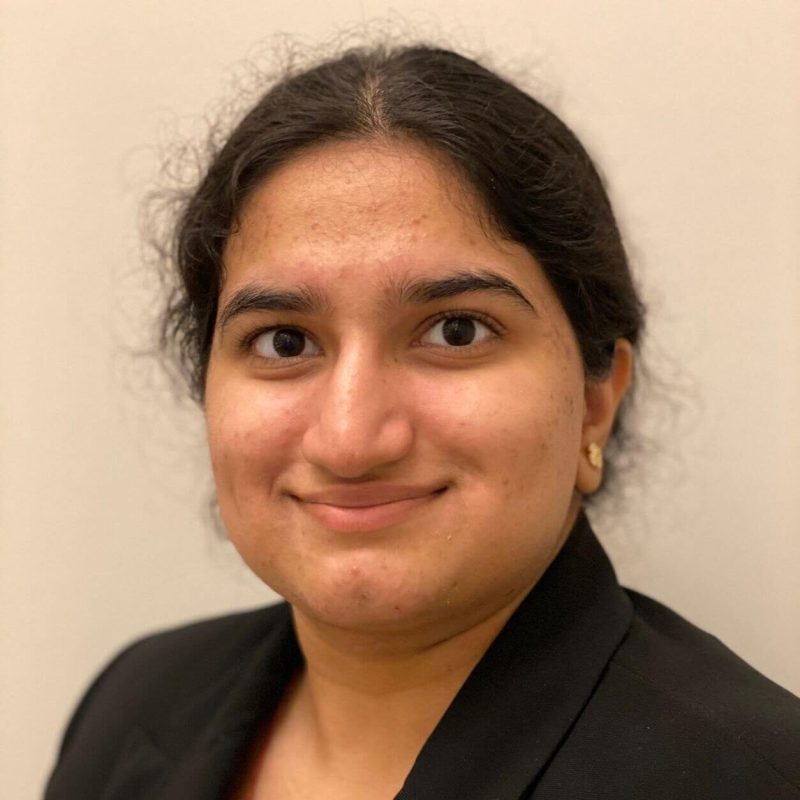
Nitheyaa Shree Ramesh, Science Policy Team
Nitheyaa Shree Ramesh is a PhD student at the University of Bristol on the Marshall Scholarship. Her current research focuses on post-translational modifications (PTMs) of mitochondrial proteins such as PINK1, with a specific aim of understanding the role of these PTMs in mitophagy and neurodegeneration. She obtained a BS in Neuroscience from Georgia State University in 2021. Here, as an undergraduate research assistant, she studied the role of activity-regulated cytoskeleton associated protein (Arc) degradation in learning behaviors in the aging brain, as well as the effect of visual experience on inhibitory synapses in the visual pathway. Outside of the lab, Nitheyaa is a semi-professional Carnatic musician who plays six instruments.

Abhigyan Sahoo, Science Policy
Abhigyan Sahoo is completing his high school degree and will be an incoming college freshman in the fall of 2024. He is interested in the field of neuropsychology, schizophrenia, and personality disorders and is currently open to exploring anything in the field of neuroscience. Outside of his research and academic career, he loves to draw Mandala art and try different types of delicious food.

Prateek Sanisetty, Science Policy
Prateek is a senior at NYU studying neural science and economics. He currently does research on PTSD and addiction and is also interested in understanding the impact of psychedelics in psychiatry. Outside of neuroscience, Prateek is interested in addressing disparities in healthcare treatment and advancing the standard of clinical practices. In his free time, he loves to watch sports and catch concerts.

Prathyusha (Pratt) Srinivasan , Science Policy
Prathyusha (Pratt) Srinivasan is a PhD student in the Developmental Psychology and Social and Behavioral Neuroscience dual-title program at Penn State University. She received her B.S. in Neuroscience from Belmont University. Her research examines how maternal adversity during pregnancy shapes the behavioral and neural foundations of parent-child emotion regulation and attachment, using neuroimaging methods including fNIRS and fMRI. Pratt is passionate about ensuring that developmental neuroscience doesn't stop at the lab door. She believes research should drive evidence-based policy and community initiatives that empower pregnant individuals — recognizing that these decisions carry cascading effects for both the parent and the child across development. She sees science communication and advocacy as essential tools for translating research into meaningful change for families. In her free time, Pratt can be found lost in a good book, chasing her next adrenaline-fueled adventure, or experimenting in the kitchen with a new recipe.

Alaina Tillman, Science Policy
Alaina Tillman graduated with a B.S. in Neuroscience and Behavior and B.A. in Sociology. She is currently performing clinical and translational research at the National Institutes of Health while applying to MD-PhD programs. Alaina has gained a multitude of different experiences in science communication and policy to understand how to connect with various audiences. She is also an instrument-rated pilot and aims to integrate her interests with neuroscience in the budding field of aerospace medicine. In her personal time, she enjoys traveling, weightlifting, hiking, and visiting national park sites. For more about Alaina’s research and other interests, visit her profile.
Podcast Team

Ashley Adamson, Podcast Team Lead
Ashley Adamson is a neuroscience PhD student at the University of Alabama at Birmingham where her research focuses on environmental exposures that influence neurodegenerative diseases and dementia. Ashley has a particular interest in understanding how the chemicals we are exposed to influence how our brains age. Coming from a rural area, Ashley wants to bridge the gap between research and non-scientists in these areas to bring awareness to the importance of biomedical research. When she is not in lab, you can find Ashley playing video games, reading a good book, or snuggling with her dog and her two cats.

Daniel Janko, Head of Podcast Dissemination, Contributing Editor, and Newsletter Team
I am a master’s student in cognitive science at the University of Potsdam, Germany. I worked as a research assistant at UAB researching emotional processing in epilepsy patients using sEEG, and also did some work on somatosensory mapping using fMRI. Currently, I am working on a project examining potential behavioral effects of the entorhinal cortex. We hope to find biases in behavior that would correspond to the functional organization of grid cells in the entorhinal cortex. In my free time, I enjoy exercising, playing video games, cooking, traveling, and exploring new cultures (mostly through food).

Rana El-Danaf, Head of Podcast Scheduling
Rana El-Danaf is currently a Research Scientist at the Centre for Genomics and Systems Biology at New York University, Abu Dhabi campus. Rana completed her PhD in Neurosciences at Virginia Commonwealth University, and pursued her postdoctoral studies at the University of California San Diego. She later joined the Department of Neurobiology at Stanford University as a Research Scientist. Rana designed and carried out studies aimed to understand visual system development, organization and disease in rodent and non-human primate models. Currently, she is using the Drosophila Fruit fly as a model organism to understand how neuronal diversity is generated during brain development. Rana’s interests include science communication and outreach, and she enjoys traveling and learning new languages.

Runeema Arun, Podcast Producer
Runeema is a high school student researcher and writer, passionate about the intersection of neuroscience, mental health, and machine learning. Her curiosity about how the brain encodes trauma and emotion led her to conduct independent research on DNA methylation and addiction, as well as AI-based depression diagnostics. She has presented at the SoCal NLP Symposium and received recognition at the Washington State Science and Engineering Fair. She is drawn to storytelling that weaves together science, identity, and healing. Her work explores themes like epigenetics, transgenerational trauma, and behavioral neuroscience through a socially conscious lens. Outside of science, she is a nationally recognized Bharatanatyam dancer, longtime opera performer, and advocates for accessibility in underrepresented communities.

Katie Chan, Podcast Producer
Katie Chan is an undergraduate student at the University of California Los Angeles for Neuroscience. She is especially interested in the interdisciplinary nature of neuroscience and is exploring scientific communication. Beyond neuroscience, she enjoys binge watching action/crime series, biking and trying new cuisine!

Swapnali De, Podcast Producer
Swapnali is a cancer biologist and a science communicator. Currently she is working in a neuroscience Institute under a neurosurgeon as a research assistant and carries out clinical research and data analysis. Outside the lab, she loves reading, singing, traveling, working out and advocating for mental health.

Kishore Kumar S. Narasimhan, Podcast Producer
Kishore Kumar S. is a postdoctoral researcher exploring a wide range of brain disorders, such as neuropathic pain, schizophrenia, autism, and Parkinson’s disease, with a strong emphasis on drug discovery. As a passionate advocate for science, he is deeply engaged with the latest advancements in neuroscience and dedicated to making complex research accessible to the public. His aim is to cultivate a society with a foundational understanding of how the brain functions and how neurons communicate, truly “Knowing Neurons”.

Jason Mero, Podcast Producer
Jason Mero is currently a Pharmaceutical Manufacturing Technician at Abbvie along with part-time work as a Behavioral Technician working with autistic youth. He completed his undergraduate career in Brown University’s Department of Neuroscience where he gained an appreciation for scientific communication. Jason’s roots in an immigrant family in Brooklyn, New York inform his passion for equitable science. Beyond Neuroscience, Jason enjoys traveling, playing soccer, and practicing the ukulele.

Abigail Plylar, Podcast Producer
Abi is currently pursuing her MSc Neuroscience from King's College London and is passionate about exploring the mind and making neuroscience accessible to anyone interested! After receiving her BS Biology from Texas Christian University, she spent a year working and traveling around Europe, Australia, and South America. Now, she is working with the Psychoactive Trials Group at KCL, researching the effects of cannabis on physiological measures of anxiety in sleep deprived participants. While her personal favorite neuroscience topics are consciousness and psychedelic therapies, she loves learning about what excites other neuroscientists and sharing this with the broader community. If you have any neuroscience topics you are eager to learn more about, please contact her!

Bharti Upparu, Podcast Producer
Bharti is an MA Psychology student who aspires to become a cognitive neuroscientist. Her research pursuits are centered around cognition, learning, and attention. Beyond her academic endeavors, Bharti actively champions the cause of open science and advocates for increased inclusion within Indian academia. When she's not immersed in her studies or research, Bharti finds joy in exploring the great outdoors through hiking, listening to geopolitics and crime podcasts and reading.

Preethi Vinnakota, Podcast Producer
Preethi is currently pursuing graduate programs, with a particular interest in neurodegenerative disorders. She completed her undergraduate studies in biology and business. In her free time, she enjoys reading, experimenting with baking, watching films, and being outdoors. For more information please visit her profile, let’s stay connected!
Website Team

Marisa Guajardo, Chief Website Manager
Marisa received her degree in neuroscience from the University of Virginia, where she worked in the Larson Lab to understand the role of neurons, microglia, and astrocytes in neurogenesis and proliferation in the avian song circuit. She now works in the Precision Vaccines Program at Boston Children's Hospital, expanding upon her interest in immunology and vaccine development. Outside of these fields, she enjoys playing volleyball, making art, and going to new food spots with friends.

Lupita Valencia, Spanish Website Manager
Lupita Valencia received her BS in Neuroscience and BA in Chicano/a Studies from UCLA. As an undergraduate, her research focused on behavioral neuroscience, specifically how corticolimbic circuits facilitate the decision making process. After completing a PREP Post-Baccalaureate Program at Tufts University, she plans to pivot her career into science communication. Lupita is invested in making science more accessible by overcoming language barriers, especially in the Spanish-speaking community. In her spare time, she enjoys cooking up tasty dishes and curating equally fire playlists.

Megan Hall, Website Team
Megan graduated from Barrett, the Honors College at Arizona State University with a B.S. in Psychology and a B.S. in Anthropology in 2022, where she was involved in research in social psychology and well-being. Megan spent one year at the Translational Genomics Research Institute as an Associate Bioinformatician, where she worked on characterizing RNA in biofluids across different neurological disorders. She then spent three years in the DICoN Lab at the Institute for Human Neuroscience working with magnetoencephalography (MEG) data, submillimeter MRI, and neuropsychological assessment to better understand cognitive aging. Currently, she is pursuing her PhD in Clinical Psychology at the University of Kansas, where she conducts research in the BRANCH Lab to understand more about women's health and cognitive aging. For more information about Megan, please visit her website.

Ardra Krishna Gopakumar, Website Team and Partnership Management Team
Ardra's main interests lie in psychiatric neuroimaging, with her goal being to harness imaging techniques to convert the abstract symptoms of mental illnesses into tangible and measurable changes. After completing her bachelor’s degree in biology and psychology from the University of British Columbia, she is currently pursuing an Msc in Neuroscience at King’s College London, with her master's thesis focusing on regional structural and volumetric alterations found in the brain in panic disorder. Apart from research, she enjoys backpacking, playing my guitar, and writing poetry.

Nina Sachdev, Website Team
Nina is a Computational Biology PhD student at Princeton University. Her current research focuses on investigating the genetic mechanisms driving cancer. Before starting her PhD, she completed her BA in Computer Science at Wellesley College, then worked as a computational associate in a neurobiology lab at the Broad Institute. Outside of the lab, Nina enjoys reading, playing tennis, solving crossword puzzles, and hanging out with friends.

Shakila Suleman, Website Team
Shakila is a neuroscience student at Brock University in Ontario, Canada, with a strong interest in understanding how the brain shapes behavior and everyday life. Her passion for neuroscience developed through learning about addiction and how changes in the brain can influence decision-making and long-term habits. She is particularly fascinated by the idea that everyday actions can continuously reshape brain function. Through her work, she hopes to deepen her understanding of the brain while contributing to making neuroscience more accessible to others.

Amy Zheng, Website Team
Amy Zheng is an undergraduate student at the University of Illinois Urbana-Champaign pursuing a degree in Neuroscience and Organizational Psychology. Her research interests lie in neurodegenerative disorders, with a special focus on Alzheimer's dementia. Amy's career goal is to contribute to the understanding of the molecular disruptions that lead to cognitive decline in diseases and how these insights can inform therapeutic interventions. She hopes to bridge the gap between neuroscience research and clinical applications, working toward treatments that improve patients' quality of life. Amy enjoys reading, connecting with nature through photography, and volunteering at the local animal shelter outside of academics.
Data Analytics Team

Alvi Khan, Head of Data Analytics
Alvi is a second-year undergraduate student at Baruch College with a biology major and math minor. He is interested in the hippocampus's role in cognitive dysfunction, such as in neurological and psychiatric disorders including Obsessive-Compulsive Disorder (OCD), schizophrenia, and depression. Additionally, Alvi is interested in furthering scientific communication by making science more accessible and digestible to those unfamiliar with it. After undergrad, Alvi plans to attend medical school to become either a neurologist or psychiatrist. In his free time, he reads books and works out at the gym.

Katia Al-Sawalha, Data Analytics Team
Katia is a senior Medical Laboratory Science student in Jordan and is passionate about merging clinical diagnostics with advanced data analysis. With hands-on lab experience and expertise in tools like SPSS, RStudio, BioPython, and SQL, she drives innovative research projects that enhance patient care and push the boundaries of medical science.

Ngoc Phan, Fundraising and Data Analytics Team
Ngoc Phan graduated from the University of Medicine Pham Ngoc Thach with an MBBS. She is passionate about learning and memory, mathematics, and public health. Her purpose is to improve people’s learning abilities and health behavior. She is currently joining a project to apply neuroscience to education for teenagers in Vietnam. Besides, she would like to try neuroinformatics in the future. In her free time, she enjoys reading romantic novels, watching movies, and traveling.

Charles Serrano, Data Analytics Team
Charles Serrano is an undergraduate student at the University of Texas at Austin pursuing dual degrees in Biomedical Engineering and Chemistry. His research interests include biomaterials, regenerative medicine, and neurobiology, with current projects in cardiovascular tissue engineering and antibiotic resistance in environmental microbiomes. Outside the lab, Charles is passionate about science communication, mentorship, and engineering design. He also is actively involved in STEM outreach, environmental conservation, and health advocacy. In his free time, Charles enjoys performing with the Longhorn Band, singing, and exploring Austin’s vibrant music and food scene.
Partnership Management Team

Rachit Agarwala, Partnership Management Team
Rachit Agarwala is currently a high school senior in Tokyo, Japan and a published researcher with a passion for neuroscience and medicine. His interests in neuroscience, center around neurodegeneration and neuro-oncology, and he is currently investigating phantom pain at a local university. Beyond his own research, Rachit founded an organization that helps passionate students entering high school develop research skills, conduct secondary research projects, and present their work at conferences. He also enjoys networking and building meaningful connections - skills he is excited to bring to the partnership management team. In his free time, Rachit plays basketball, dreams up new ideas, or volunteers at his local nursing home.

Aleina Mendoza, Partnership Management Team
Aleina Mendoza is a sophomore nursing major with a minor in health communications at Texas Christian University. Aleina's interest in neuroscience centers around the use of machine learning in detecting neurological disorders and in exploring developments in adolescent FMRI use. Outside of working on current research funded by the NIH, Aleina is involved in the John V. Roach Honors College, student nurses association, and honors mentorship program. In her free time, Aleina enjoys watching documentaries, exploring Fort Worth, and going to the gym.
Branding and Media Management Team

Mika Holtz, Branding and Media Management Team
Mika is an incoming PhD student in neuroscience at UCLA. Previously, she graduated from Smith College with a BA in neuroscience and then moved to Japan to work as a research assistant for two years at the RIKEN Center for Brain Science. Outside of science, she enjoys dancing, going to concerts, and cooking and eating new foods.

Payel Pramanik, Branding and Media Management Team and Merchandise Design Team
Payel Pramanik is a Neuroscience enthusiast with a Master’s degree in Neuroscience and a background in Physiology. Payel is specifically interested in neurophysiology, molecular neuroscience, and epigenetics. Beyond the lab, Payel is passionate about making neuroscience accessible through writing, illustrating, and creative projects. In her free time, she enjoys playing badminton, reading, trying new recipes, and making art. To learn more about her work and journey, connect with Payel on LinkedIn: www.linkedin.com/in/payel-pramanik-4276641b2
